

The increasing frequency and sophistication of cyberattacks highlight a pressing need for enhanced cybersecurity measures. Ransomware threats, particularly against critical infrastructure, have escalated, underscoring vulnerabilities in digital systems. As reliance on technology grows, so does the potential for sensitive data breaches, with significant financial repercussions for organizations. The necessity for robust security protocols and user education becomes evident. However, understanding the full scope of these challenges is crucial to effectively addressing them.
The Rising Threat of Cyberattacks
The frequency and sophistication of cyberattacks have escalated dramatically in recent years, prompting organizations across various sectors to reevaluate their security measures.
Ransomware attacks have become increasingly prevalent, crippling critical infrastructure and demanding exorbitant payments. Concurrently, phishing schemes exploit human vulnerabilities, tricking individuals into divulging sensitive information.
Such threats necessitate robust cybersecurity frameworks to safeguard assets and preserve the fundamental freedoms of individuals and organizations alike.
See also: Why 5G Is More Than Just Faster Internet
Protecting Sensitive Data
As cyber threats continue to evolve and proliferate, safeguarding sensitive data has emerged as a paramount concern for organizations.
Implementing robust data encryption techniques ensures that information remains confidential, even if intercepted.
Additionally, stringent access controls are vital, limiting data exposure to authorized personnel only.
These measures collectively fortify an organization’s defense, enabling a secure environment that promotes freedom while mitigating potential vulnerabilities.
The Financial Impact of Cybersecurity Breaches
While organizations increasingly prioritize cybersecurity measures, the financial repercussions of breaches can be devastating.
A thorough cost analysis reveals that breach consequences extend beyond immediate recovery expenses; they include long-term reputational damage, regulatory fines, and loss of customer trust.
These factors collectively impose significant financial burdens, underscoring the urgent necessity for robust cybersecurity frameworks to safeguard organizational assets and maintain operational integrity.
Building Trust in a Digital World
Financial losses stemming from cybersecurity breaches not only affect immediate recovery efforts but also erode consumer confidence, highlighting the necessity for organizations to foster trust in their digital environments.
Achieving this requires a commitment to digital transparency and robust user education initiatives. By empowering users with knowledge and cultivating an open dialogue about security practices, organizations can reinforce trust and ensure a more secure digital landscape.
Conclusion
In conclusion, as cyberattacks become increasingly sophisticated, the importance of robust cybersecurity measures cannot be overstated. A hypothetical case study of a hospital’s ransomware attack illustrates this: patient data was encrypted, halting critical services and incurring millions in recovery costs. Such incidents highlight not only the financial implications but also the potential loss of trust among patients relying on secure medical care. Therefore, investing in cybersecurity is imperative for safeguarding sensitive information and maintaining operational integrity in an interconnected landscape.


 By
By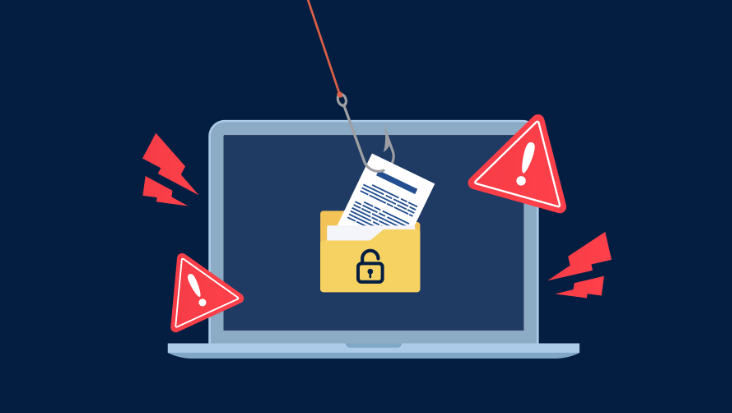



 By
By